What Not To Miss On Lanzarote?
A tight list of the experiences you really shouldn't miss on Lanzarote, from the lava fields of Timanfaya to a wine tasting in a volcanic pit, with the wine day placed where it belongs.
What Not To Miss On Lanzarote?
The short answer: the volcanic landscapes of Timanfaya, the wine-growing pits of La Geria, the lava-tube caves of Jameos del Agua and Cueva de los Verdes, and the whitewashed town of Teguise. A good week places the wine day on day two or three, when you have settled in and still have room in your luggage for a few bottles, not on the last afternoon when you are rushing to the airport.
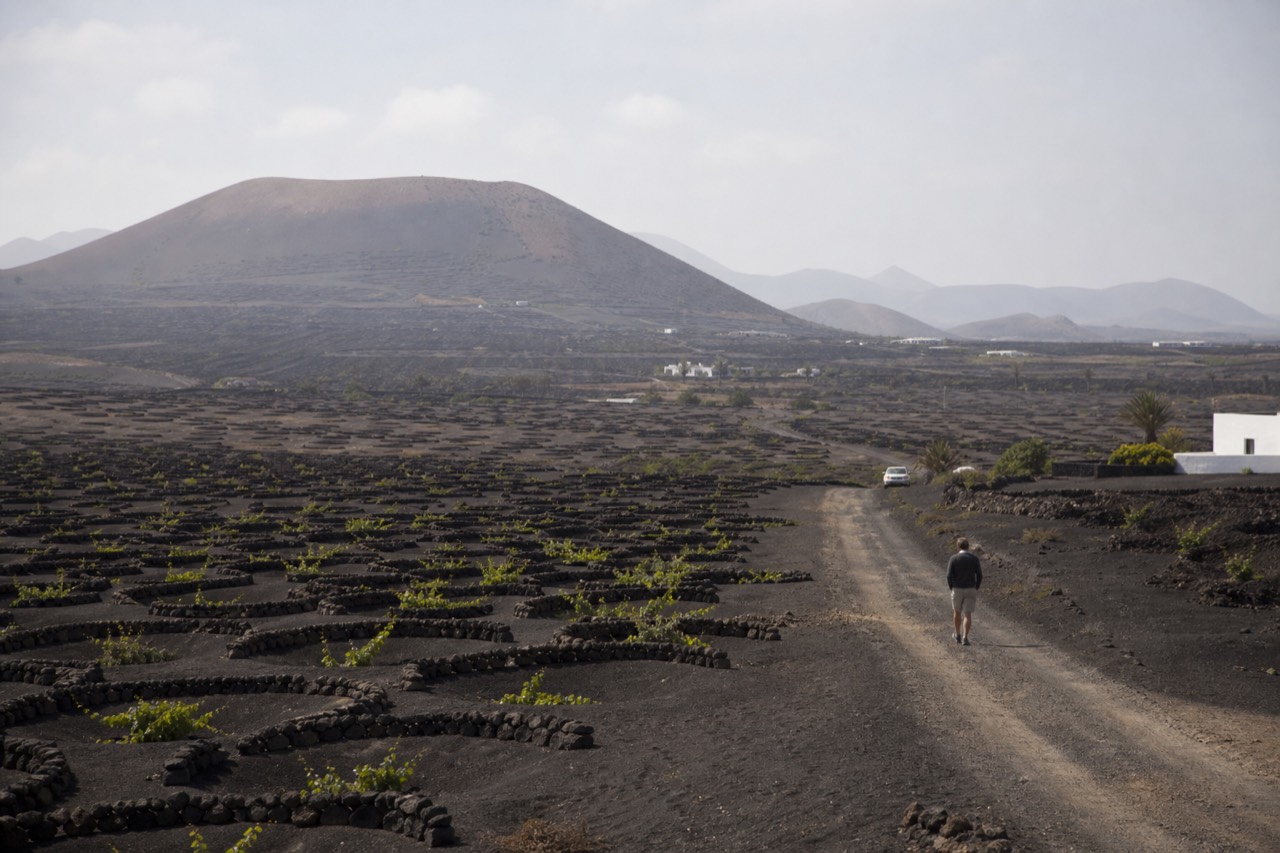
Lanzarote is not the kind of island where you need to choose between nature and culture. The two are the same thing here. The same volcanic eruptions that buried farmland in the 1730s created the conditions for a wine region that looks like nothing else in Europe: vines grown one to a pit, in hollows dug through black ash, sheltered by half-moon stone walls. The same artist who put a nightclub and a concert hall inside a lava tube, César Manrique, also designed the island's visitor centres and shaped the way the whole island looks. A week here is a week spent inside a landscape that was made by fire and is still being farmed by hand.
The things you really should not miss fall into a handful of categories: the volcanic park, the caves, the wine country, the old town, and a couple of wildcard spots that most visitors never hear about until they are already on the island. This page puts the wine day where it belongs, in the middle of your week, and gives you the honest practical details the official tourism sites skip.
What Is Lanzarote Famous For?
The island is famous for its raw volcanic scenery, the work of artist César Manrique, and a wine-growing system that uses pits dug into ash rather than rows of vines. Timanfaya National Park, the lava caves at Jameos del Agua, and the white-and-green villages of La Geria are the three images that appear on every postcard, and each one is better experienced in person than on a screen.
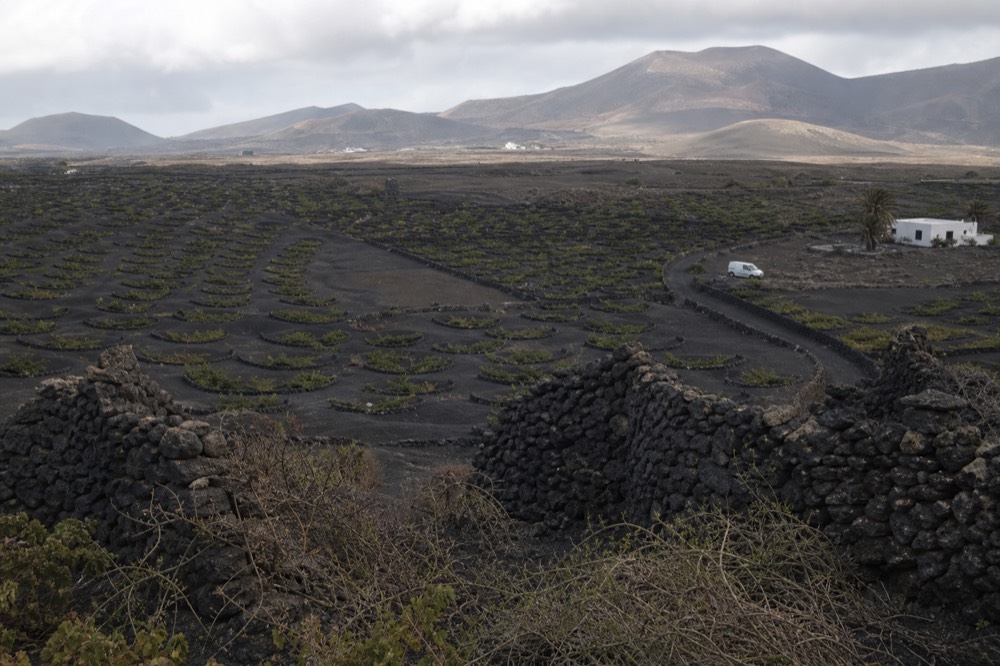
Lanzarote's volcanic story is not ancient history. The eruptions that created Timanfaya ran from 1730 to 1736, six years of lava and ash that reshaped the island. Where the lava flowed, the farmland was lost for good. Where the ash fell, farmers dug down through it to reach the buried soil and planted vines in the hollows. That decision, made by people who had just lost everything, created the La Geria landscape you see today. The island's signature grape, Malvasía Volcánica, is traditionally the first into the winery at harvest, which starts in July and is regularly described as Europe's earliest. In 2025 the first grapes came in on 16 July.
The man-made side of the island's fame rests on César Manrique, who was born in Arrecife in 1919 and spent his career insisting that tourism and landscape could coexist. The visitor centres he designed, Jameos del Agua, Mirador del Río, the Jardín de Cactus, and the Casa Museo del Campesino, are attractions in their own right. They are also the reason the island looks the way it does: UNESCO credits the restraint on building heights and the absence of roadside billboards to the Insular Land Plan adopted in 2001, but Manrique's influence on how the island thinks about itself is everywhere.
Lanzarote's growing system has been on the FAO's Globally Important Agricultural Heritage Systems list since 2025, and the island itself has been a UNESCO Biosphere Reserve since 1993. In the deepest-ash part of La Geria there are about 36 vine pits per hectare, against several thousand vines in a conventional vineyard. The yield is about 1,000 kg of grapes per hectare, against a legal ceiling of 7,000. The wine is genuinely scarce relative to the tourism: roughly 3.45 million visitors in 2025 against a wine harvest of 843,000 kg.
What Are The Absolute Must-See Attractions?
The non-negotiable shortlist is Timanfaya's Montañas del Fuego, the lava caves at Jameos del Agua and Cueva de los Verdes, the Mirador del Río lookout, and a morning or afternoon in La Geria. Teguise, the old capital, belongs on the list if you are here on a Sunday, and the free Casa Museo del Campesino is the best zero-cost stop on the island.
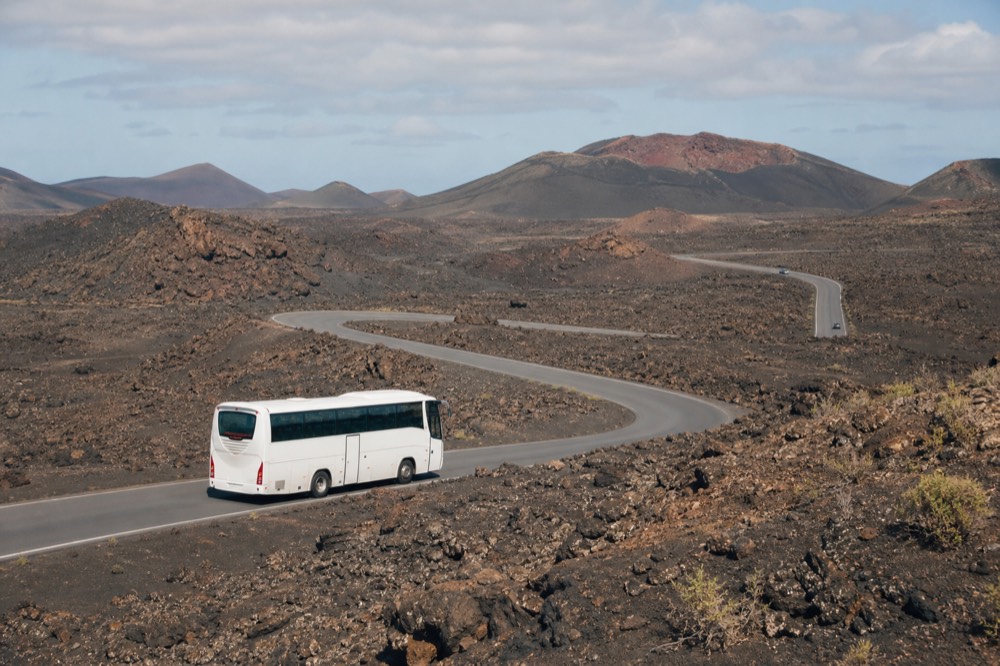
Timanfaya is the headline act. The Montañas del Fuego visitor centre, at the Islote del Hilario, runs a 35-minute coach route through the lava fields, a road you cannot drive yourself. The park is not open for free wandering: to protect the fragile ecosystem, you must take the bus. Adult entry is 30.00 euros, children under 7 are free. As of 2026, there are no ticket sales at the box office. You must book online in advance, choose a date and time slot, and arrive 15 minutes early. If the slot you want is not showing, the quota is full. This is a genuine, practical reason to book a guided tour that already holds the entry, rather than trying to stitch a self-drive day together.
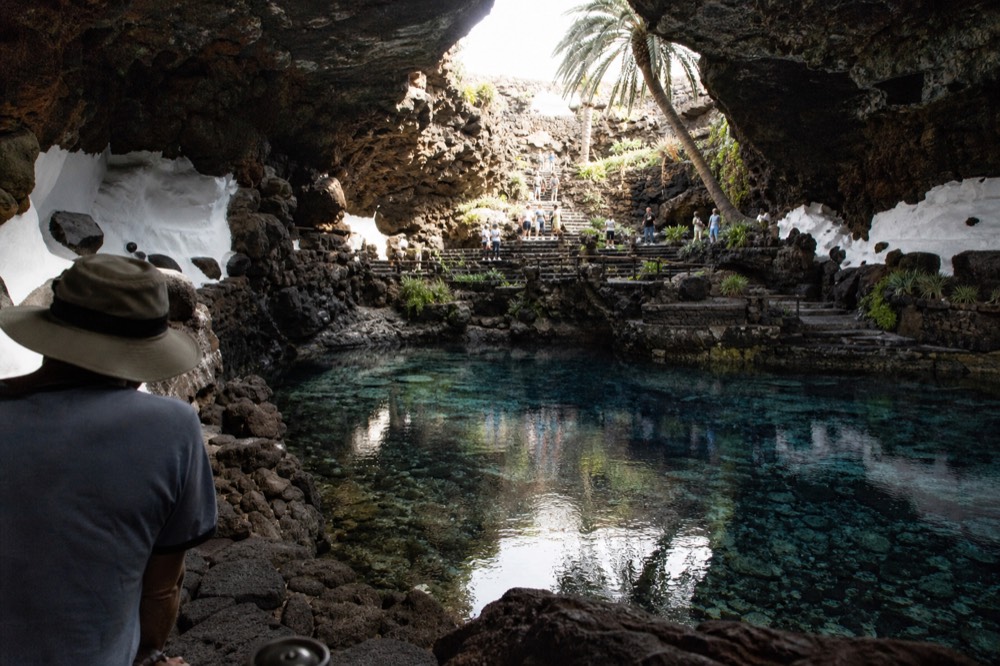
The caves are the other side of the volcanic story. Jameos del Agua, from 17.00 euros, is a lava tube Manrique turned into a concert hall, restaurant and swimming pool, with a population of blind albino crabs in the underground lake. Cueva de los Verdes, 17.00 euros, is a longer lava tube with a guided walk through tunnels that were once used as hiding places from pirates. Cueva de los Verdes needs a timed online slot. The Mirador del Río, 9.00 euros, is a lookout carved into the cliff face at the north of the island, with views across to La Graciosa.
The best free stop is the Casa Museo del Campesino, a museum of rural life with a Manrique-designed monument to fertility, open daily 10:00 to 18:00. Teguise, the old capital, is a town of cobbled streets and a Sunday market that fills the centre. Local reporting has named it among the Pueblos Más Bonitos de España, a network of Spain's prettiest towns.
| Attraction | Entry price | Type | Notes |
|---|---|---|---|
| Montañas del Fuego | €30.00, children 0-6 free | Volcano park | Online booking mandatory, timed entry, 90 min |
| Jameos del Agua | from €17.00 | Lava cave / arts centre | 60-120 min |
| Cueva de los Verdes | €17.00 | Lava tube tour | 50 min, advance booking required |
| Mirador del Río | €9.00 | Cliff-top lookout | 45 min |
| Jardín de Cactus | €9.00 | Botanical garden | 60 min |
| Casa Museo del Campesino | Free | Rural museum | 50 min, Manrique monument |
| Castillo de San José (MIAC) | €5.40 | Contemporary art | 60 min |
| Teguise Sunday market | Free | Town market | Best in the morning |
How Do I Fit A Wine Day Into A Week On Lanzarote?
The wine day belongs on day two or three of your week. That gives you a morning or afternoon in the La Geria valley, a tasting at a bodega, and still leaves your first day for settling in and your last days for the big attractions you have pre-booked. Squeezing a wine tasting into the last afternoon, when you are buying bottles and packing, is a bad idea, and you will have no luggage room left.
The best approach is to treat the wine country as a half-day, not a full-day expedition. Every resort on the island is inside half an hour of La Geria: Puerto del Carmen is about 14 km away, Playa Blanca about 24 km, Costa Teguise about 28 km. The LZ-30, the road that runs the length of the valley from the Monumento al Campesino down to Uga, was resurfaced between Teguise and Mozaga in 2025, and the drive is easy. The issue is not distance, it is the drink-driving limit. Spain's breath-alcohol limit is 0.25 mg/l, lower than the UK's 0.35, and a tasting flight of three or four wines will not leave most people comfortably under it. A guided tour solves that problem.
The La Geria valley is a Protected Landscape of 5,255 hectares across five municipalities. You drive past pit after pit, each with its own half-moon stone wall facing the north-northeasterly trade winds. The pits are about three metres across and two to two and a half metres deep, dug down to the buried pre-eruption soil. The vines are Malvasía Volcánica, Listán Negro, Diego, and a handful of other varieties that thrive in a desert climate with under 150 mm of rain a year. Read our guide to the La Geria wine region for a full route description.
Several wineries are open to visitors. El Grifo, founded in 1775 and one of the ten oldest wineries in Spain by its own reckoning, offers a 15-euro self-guided audio tour with a tasting of two wines, a 30-euro guided tasting of five wines, and a 50-euro wine-lovers tour with six wines and Canarian cheeses. Bodegas Rubicón, inside the protected landscape, has free daily access from 10:00 to 19:00 and a guided tour of its century-old vines for 22 euros per person. Bodegas Los Bermejos, in San Bartolomé, runs a 21-euro guided visit with a terrace tasting of two wines and local goat cheese, open Monday to Friday.
If you want to be driven, the Lanzarote Wine Tours roster includes a three-hour family-winery tour that visits a working bodega in the lava-flow zone, with snacks and chocolate and cheese tastings, from $65 per person. The tour is capped at a small group and leaves your afternoon free for the beach or the volcano.
The value of a driven tour becomes obvious when you factor in the practicalities. You can taste three or four wines without worrying about the breathalyser. You can skip the LZ-30's event closures: the Romería de Los Dolores in September and Ironman in May both cut the road for hours. And you get a guide who knows which winery is open, which one is pouring a tank sample, and which one has just released an orange wine from centenarian vines.
What Are The Best Excursions To Take In Lanzarote?
Lanzarote's best excursions are a guided tour of Timanfaya National Park to bypass the online booking system, a small-group wine tasting through the volcanic vineyards of La Geria, and a self-guided coastal day or a short boat trip to the island of La Graciosa.
The volcanic-park day is the one most visitors worry about getting wrong. Timanfaya's Montañas del Fuego is the centrepiece, but you can also visit the Insólita Experience, a guided small-group walk on a restricted section of the park for 46.30 euros per person, available on Mondays, Wednesdays and Saturdays. The combination of the two in one day is tight, because the Insólita starts at 08:45 and the coach route closes at 15:45. Most guided tours that include Timanfaya build the route around the coach tour and add a stop at the wine country or at El Golfo, the green lagoon on the west coast.
The wine-country half-day is the excursion that is easiest to underestimate. You can drive yourself, but you will be tasting half your pours and spitting the rest, which is not the point. A small-group tour with a driver removes the maths and lets you try the wines properly. The hiking tour that combines a walk through the volcanoes and vineyards of La Geria with a wine and cheese tasting is a 4-hour, $55-per-person alternative that burns off the tasting before you get to the glass. It is limited to 10 participants and includes pickup.
The coastal or island-hop day is the one the guidebooks rarely mention. From Playa Blanca you can take a ferry to Fuerteventura, though the wine country is on Lanzarote. The better option is a drive to the north for the Mirador del Río and the beach at Playa de las Conchas on La Graciosa, which is a short ferry ride away. Or you can stay on Lanzarote and visit the Charco de los Clicos, the green lagoon at El Golfo, which is a 20-minute walk from the car park and costs nothing.
Which Are The Best Wineries To Visit?
The three wineries most visitors end up at are El Grifo, Bodega La Geria, and Bodegas Rubicón, because they are on the LZ-30, they are open to the public, and they publish their prices. El Grifo is the historic choice, with a museum and a 250-year story. Rubicón is the one with the best terrace view of Timanfaya. Los Bermejos is the one that feels like a working farm, not a tasting room.
El Grifo, founded in 1775, is the winery with the deepest history. Its own site says it is one of the ten oldest wineries in Spain, and the indoor wine press bears a foundational inscription from that year. The visit includes a small museum of old winemaking equipment, a shop, and a tasting. The winery's 250th anniversary year closed on 31 October 2025 with an official visit by the Spanish Minister of Agriculture, and it received the Canary Islands Tourism Award for Tourist Excellence 2025. It also won two gold medals at Mundus Vini 2026. The tasting room is open Monday to Friday, with the last entry at 17:15.
Bodega La Geria, in the heart of the valley, is a late-19th-century winery now owned by the Melián family. It has a bar-cafeteria and panoramic views of the Timanfaya volcanoes. Guided tours are sold online and released for sale 12 days before the date. The tour is not suitable for people with walking difficulties. The winery does not publish a per-person price on its site; it sits behind the booking widget.
Bodegas Rubicón is the one with the most accessible format. The estate is open daily from 10:00 to 19:00, free to walk around. The guided tour "Entre Muros y Viñedos Centenarios" takes you through the century-old vines, the family house and the old winery, with a tasting of two wines and island cheeses, for 22 euros per person. It runs daily at 13:30. The longer "El Legado Rubicón" tour is 40 euros, includes a tank sample and three wines, and runs on Mondays and Fridays at midday.
Bodegas Los Bermejos is a 2001 reopening of a much older property, and it feels like it. The winery is open Monday to Friday, 08:00 to 15:00. You can taste by the glass on the terrace for 3.50 euros, or book a guided tour for 21 euros that includes a walk through the press room and barrel room and a tasting of two wines with goat cheese. The terrace is not a designed visitor experience; it is a place where the winery sells its wine. See our Lanzarote wineries guide for a complete list.
The three-wineries tour, a 3.5-hour guided drive with pickup, visits a selection of bodegas and includes a goat cheese tasting. It is capped at eight travellers and costs from $105 per person. That is a clean solution if you want to see more than one winery without driving.
Common Questions About What To See In Lanzarote
What Not To Miss On Lanzarote?
The volcanic park at Timanfaya, the lava caves at Jameos del Agua and Cueva de los Verdes, the wine-growing valley of La Geria, the Mirador del Río lookout, and the Sunday market in Teguise. A wine tasting at a bodega on the LZ-30, ideally on day two or three of your week, rounds out the list.
What Is The Number One Attraction In Lanzarote?
Timanfaya National Park's Montañas del Fuego is the island's most visited attraction, with just under 1.5 million visits in 2024. The 35-minute coach route through the lava fields cannot be driven yourself, and you must book a timed entry online in advance. There are no ticket sales at the gate.
Is La Geria Worth Visiting?
Yes. La Geria is a Protected Landscape of 5,255 hectares where vines grow in pits dug into volcanic ash, a farming system that has been on the FAO GIAHS list since 2025. The drive along the LZ-30 from the Monumento al Campesino to Uga takes about 20 minutes, and several wineries are open to visitors. The half-moon stone walls and the black ash fields are unlike any wine region in Europe.
Can I Visit Timanfaya And A Winery In One Day?
It is possible but requires careful planning. Timanfaya's timed entry slots mean you must book a specific time, and the park closes at 15:45. Most wineries are open until 18:00 or 19:00. A guided tour that includes both the volcano entry and the wine tasting is the simplest way to do it, because the operator handles the timings and the driving.
How Many Days Do You Need In Lanzarote?
A week is enough to see the main attractions, spend a day in the wine country, and still have a couple of beach days. Five days is the minimum for the volcano, the caves, the wine, and the old town. The island is small enough that every resort is inside half an hour of La Geria.
Is Lanzarote Expensive?
Entry prices for the main attractions are moderate: Timanfaya is 30 euros, the caves are 17 euros each, and the Mirador del Río is 9 euros. Wine tastings at the bodegas range from 15 euros for a self-guided visit with two wines to 50 euros for a full guided tour. A guided wine tour with transport starts at about $65 per person. The average hotel rate in 2025 was 142.40 euros a night.